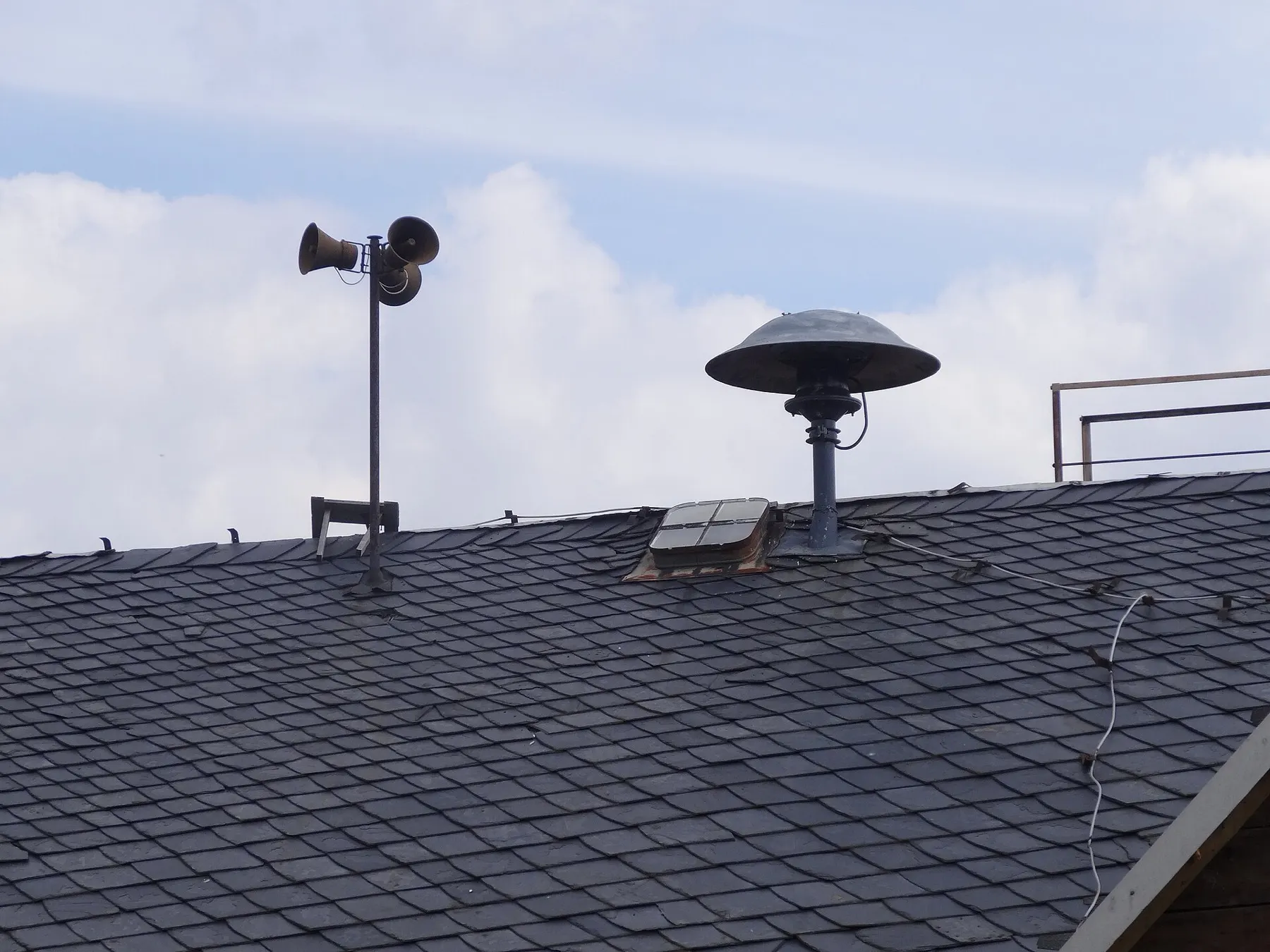
A siren gives you a few minutes to get somewhere safer. You do not need to know exactly what is coming. You only need to move calmly and quickly to the best cover you can reach. Signals differ by country, so learn your local ones on the emergency page.
Right now
- Stop what you are doing. Do not wait to see whether others react.
- Take your go-bag if it is within reach. Do not search the flat for things.
- Go to the nearest shelter, basement or underground space. Use the stairs, not the lift.
- Help children, older neighbours and people with limited mobility on the way.
- Switch on your radio or phone and follow official instructions only.
If you are outside and cannot reach a building, lie down in a ditch, hollow or behind a solid wall. Cover your head with your arms.
If there is no shelter nearby
Use the two-wall rule: put at least two solid walls between you and the outside.
- Move to a corridor, bathroom or interior room without windows.
- Stay away from windows, glass doors and outer walls.
- Sit or lie on the floor, below window level.
- Close inner doors to reduce flying glass and debris.
In a tall building, lower floors are usually safer than upper ones, but avoid the very top floor and stay away from the roof.
In the shelter
- Stay until the official all-clear, even if it goes quiet.
- Keep your phone charged with a power bank and save its battery: use flight mode between updates.
- Listen for news on a crank radio if mobile networks are down.
- Use a headlamp instead of candles. Open flames use up oxygen and are a fire risk.
- Drink water and eat small amounts. Long waits are tiring.
- Keep children busy with a quiet game or book. Speak calmly; they take their cue from you.
If you are trapped by debris, use a whistle to signal. Three short blasts mean “help”. Whistling saves your voice and breath and carries further than shouting.
After the all-clear
- Wait for the official all-clear signal or message. Do not rely on rumours.
- Check yourself and others for injuries. Give first aid where you can.
- Watch for broken glass, damaged walls, fallen wires and the smell of gas.
- Do not touch unknown objects, fragments or unexploded munitions. Mark the place and report it.
- Tell family members you are safe with a short text message. Calls overload the network.
- Restock your go-bag before the next alert.
If you smell gas, leave the building, do not use light switches or open flames, and call the emergency number from outside.
Prepare in advance
- Find the nearest public shelter to your home, work and your children’s school. Walk the route once.
- Pick the safest room in your flat using the two-wall rule. Clear the floor so you can sit there.
- Pack a go-bag and keep it by the door. Use our checklists.
- Keep important papers together in a waterproof bag, with a paper map of your area marked with shelters and meeting points.
- Agree on a family meeting point and an out-of-town contact person.
- Learn what the sirens in your country sound like and how official alerts reach your phone.
- Practise once with the whole household. A two-minute drill makes the real thing much calmer.
Always follow your local authorities. Their instructions take priority over any general advice here.