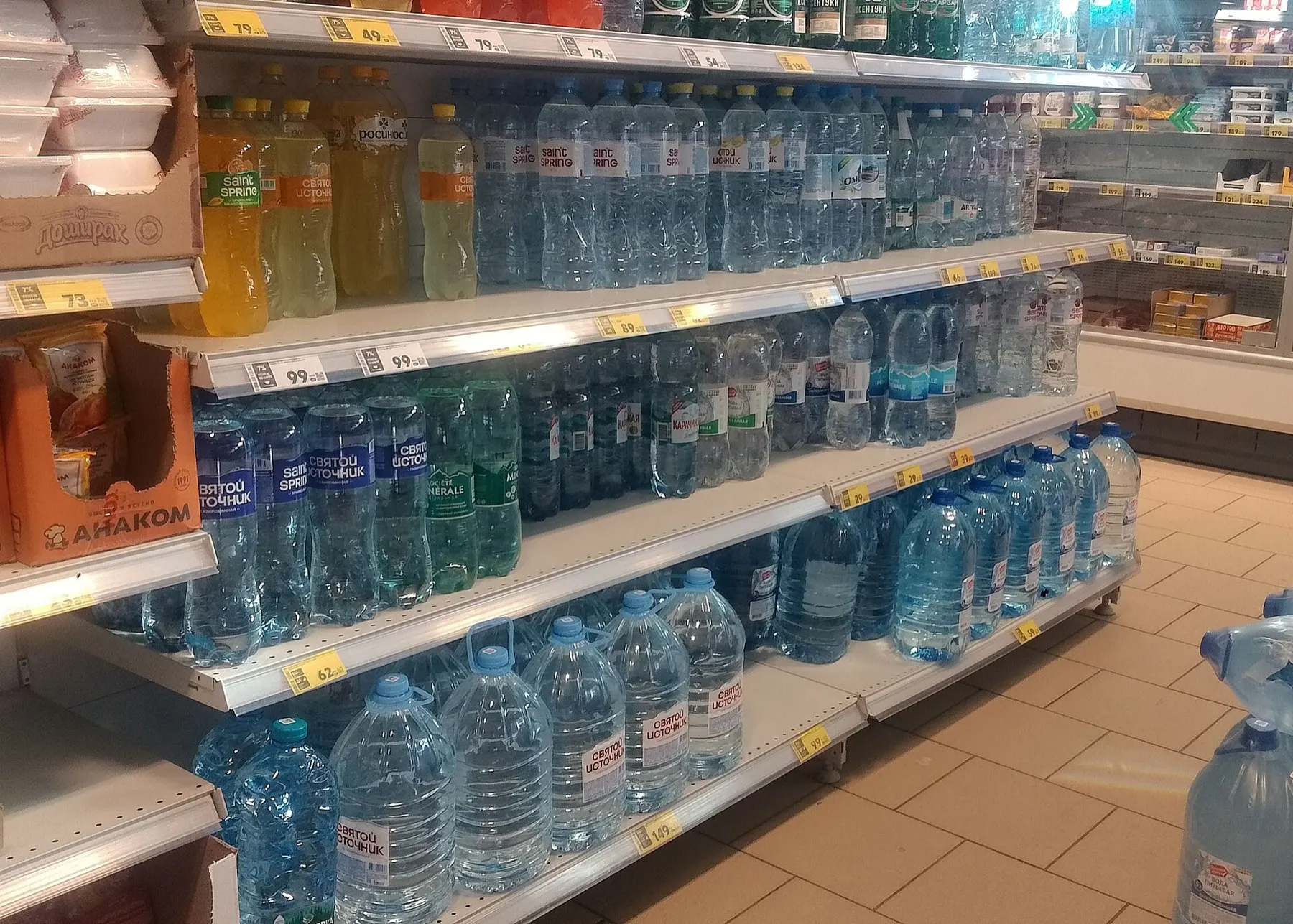
You can live weeks without food but only a few days without water. Plan for about 2 litres of drinking water per person per day, plus extra for cooking and basic hygiene. Children, older people, the sick and anyone working hard in the heat need more.
Right now
- Check whether the outage is only your building or the whole area. Listen to the radio or your water company.
- Fill every clean container you have, including the bath, if there is still some pressure.
- Close the main water valve if the authorities warn that the supply may be contaminated. This keeps dirty water out of your pipes.
- Stop all non-essential use: no washing machine, no long showers, no watering plants.
- Count your stored water and divide it by the number of people and days.
Hidden water in your home
Before you go looking outside, use what you already have:
- the hot water tank or boiler (switch off the heating first and let it cool);
- water left in the pipes (open the lowest tap in the house);
- ice cubes and frozen food packs;
- tinned fruit and vegetables (the liquid is drinkable).
Never drink water from radiators, the heating system or toilet cisterns with cleaning blocks.
Make water safe
Treat any water that does not come from a sealed bottle or a tap the authorities have declared safe.
- Let muddy water settle, then pour it through a cloth or coffee filter.
- Filter it with a water filter to remove bacteria and parasites.
- Disinfect it with purification tablets and wait the time stated on the pack, or boil it at a rolling boil for at least one minute.
- Store the treated water in a clean, closed water container. Label it with the date.
Filters and tablets do not remove fuel, chemicals or salt. Avoid water that smells of oil or chemicals, has a film on top or comes from near factories, farms or fields that were recently sprayed. Never drink sea water or urine.
Save every drop
- Use drinking water only for drinking, cooking and brushing teeth.
- Reuse water: washing water can flush the toilet.
- Wash hands with a small amount of water and soap, or use hand sanitiser.
- Line the toilet with a bag and some absorbent material if you cannot flush. Close the bag tightly and store it outside.
- Cook food that needs little water, such as rice or pasta in a covered pot, and use the cooking water for soup.
Watch for dehydration
Signs include thirst, dark urine, headache, dizziness and tiredness. Babies and older people may not complain. Drink small amounts often, avoid alcohol and stay out of the heat. If someone is confused, very drowsy or stops urinating, get medical help.
When water comes back
- Follow your water company’s instructions. You may be told to boil water for a few days.
- Run the cold tap for a few minutes before drinking.
- Refill and replace your water stores.
Prepare in advance
- Store at least 2 litres per person per day for three days, and more if you can. Include pets.
- Replace stored tap water every six months, or follow the date on bottled water.
- Keep a filter and tablets with your stores, and learn to use them before you need them.
- Find the main water valve in your home and make sure it turns.
- Note the nearest springs, wells or official water points. Your local authority can tell you where water will be distributed.
Always follow your local authorities and your water company.